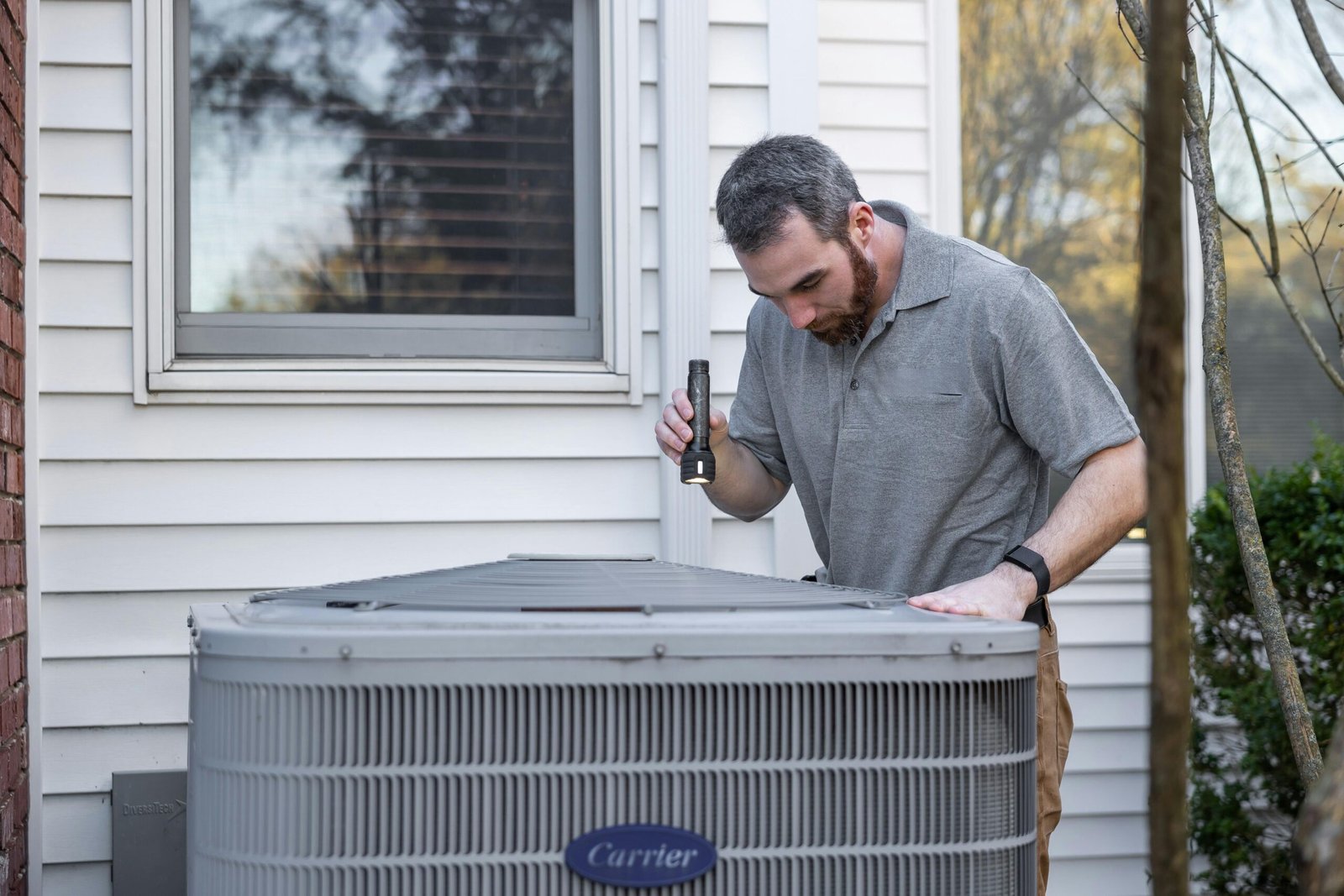
Many homeowners believe HVAC breakdowns are sudden, unavoidable events. In reality, most HVAC failures are preventable—and when they’re ignored, the financial consequences compound quickly.
In the Bay Area, HVAC systems face unique stressors: extended heat waves, wildfire smoke, fluctuating temperatures, and rising energy costs. These conditions accelerate wear on systems that are not properly maintained, turning small issues into expensive emergencies.
Understanding why systems fail—and what actually prevents those failures—can save homeowners thousands of dollars over the life of their equipment.

The Real Reason HVAC Systems Fail Early
Across the HVAC industry, the most common causes of premature system failure are:
- Deferred or skipped maintenance
- Undetected airflow restrictions
- Dirty coils and filters causing system strain
- Electrical components overheating
- Small refrigerant issues left unresolved
None of these issues occur overnight. They develop gradually, often showing subtle warning signs long before a breakdown happens.
When those early signals are missed, homeowners are left dealing with:
- Emergency repair premiums
- System downtime during extreme weather
- Shortened equipment lifespan
- Higher monthly utility bills

Why Preventable Problems Become So Expensive
An HVAC system is a mechanical chain. When one component works harder than designed, stress transfers to other components.
For example:
- A clogged filter forces the blower motor to overwork
- That stress increases electrical load
- Heat builds up in the system
- Premature motor or capacitor failure follows
What could have been a low-cost maintenance correction turns into a major repair—or even early system replacement.

Frequently Asked Questions: Actionable Prevention Steps
1. How often should HVAC systems be professionally inspected?
Actionable answer:
At least once per year, and ideally twice per year in the Bay Area (spring and fall). Annual inspections catch airflow, electrical, and efficiency issues before they cascade into system failure.

2. What is the single most overlooked cause of HVAC breakdowns?
Actionable answer:
Restricted airflow. Dirty filters, blocked returns, and neglected ductwork force systems to operate outside safe tolerances, dramatically increasing failure risk.

3. Can skipping maintenance really shorten system lifespan?
Actionable answer:
Yes. Industry data consistently shows that systems without routine maintenance can lose 5–10 years of usable life compared to properly serviced equipment.

How Preventive Maintenance Protects Your Investment
Routine HVAC maintenance is not about upselling repairs. It focuses on:
- Verifying safe electrical operation
- Ensuring proper airflow and pressure balance
- Detecting early component fatigue
- Preserving manufacturer efficiency ratings
- Maintaining warranty compliance
This proactive approach minimizes surprise failures and stabilizes long-term ownership costs.

Pro Tip
If your HVAC system is running but cycling frequently, making new noises, or causing unexplained spikes in energy bills, those are early failure indicators—not normal aging. Addressing them immediately is far less expensive than waiting for a breakdown.

Why Most HVAC Failures Are Preventable (And Costly): Are You Catching Problems Early Enough?
If most HVAC failures are preventable, the real question becomes:
Is your system being inspected before small issues turn into expensive emergencies?
A professional evaluation can determine whether your system is operating within safe limits—or quietly heading toward failure.

Contact Miller’s AC & Heating
Miller’s AC & Heating
4749 Bennett Dr STE N
Livermore, CA 94551
📞 +1 925-493-8579
✉️ admin@callmillers.com
Serving Livermore and surrounding Bay Area communities with trusted HVAC expertise since 1960.