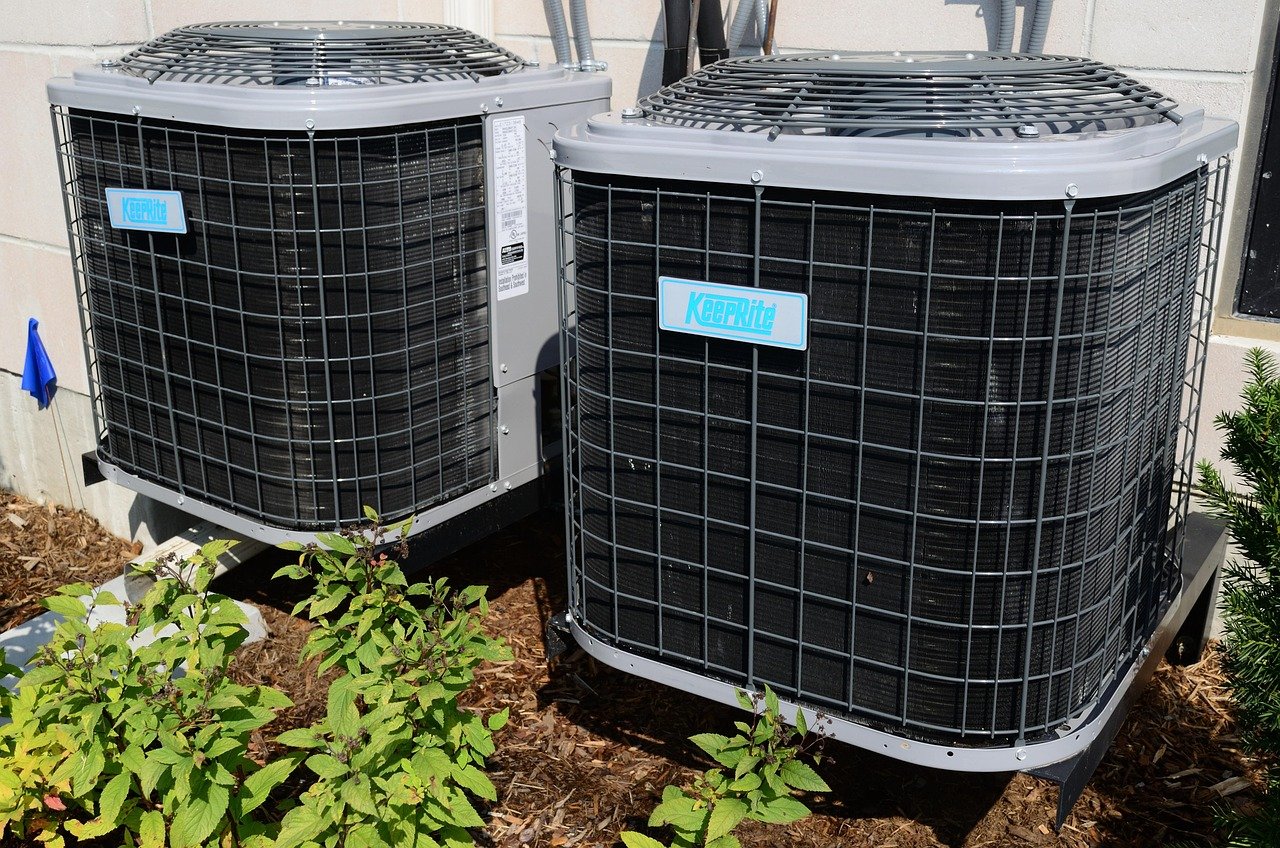
Many homeowners skip HVAC maintenance thinking they’re saving money. The system seems to be working, the air is blowing, and nothing appears broken—so why spend money on a service visit?
The problem is that HVAC systems rarely fail without warning. When maintenance is skipped, those warnings go unnoticed, and the financial impact shows up later in the form of higher energy bills, emergency repairs, or premature system replacement.
In the Bay Area, where HVAC systems face seasonal heat spikes, air quality challenges, and rising utility costs, skipping maintenance often costs far more than homeowners expect.

What Actually Happens When HVAC Maintenance Is Skipped
HVAC systems are designed to operate within specific mechanical and electrical tolerances. Without routine inspection and calibration, small inefficiencies accumulate:
- Filters clog and restrict airflow
- Motors draw higher electrical load
- Coils lose heat-transfer efficiency
- Electrical components overheat
- Minor refrigerant issues escalate
Each issue increases operational strain. Over time, the system compensates by working harder, consuming more energy, and wearing out faster.

The Hidden Costs Homeowners Don’t See Immediately
Skipping maintenance doesn’t usually cause an instant breakdown. Instead, it creates silent financial leaks, including:
- Gradual increases in monthly energy bills
- Shortened lifespan of major components
- Loss of efficiency ratings
- Increased likelihood of emergency service calls
- Repairs that could have been avoided with early detection
What feels like saving money upfront often becomes a higher long-term cost.

Frequently Asked Questions: Practical Cost-Saving Actions
1. Does HVAC maintenance really reduce energy bills?
Actionable answer:
Yes. A properly maintained system can operate 10–20% more efficiently, reducing unnecessary energy consumption caused by airflow restrictions, dirty coils, and miscalibrated components.

2. How much more expensive are emergency HVAC repairs?
Actionable answer:
Emergency repairs often cost significantly more due to after-hours labor, urgent diagnostics, and secondary component damage that develops when small issues are ignored.

3. Is HVAC maintenance still necessary if the system is “working fine”?
Actionable answer:
Yes. Most mechanical failures develop while systems still appear functional. Maintenance is designed to detect problems before performance drops or breakdowns occur.

Why Preventive Maintenance Is a Financial Strategy, Not an Expense
Routine HVAC maintenance helps homeowners:
- Stabilize long-term ownership costs
- Avoid sudden, high-dollar repairs
- Preserve manufacturer warranties
- Extend system lifespan by several years
- Maintain consistent indoor comfort
Instead of reacting to failures, maintenance shifts homeowners into a controlled, predictable cost model.

Pro Tip
If your energy bills have increased but your usage habits haven’t changed, your HVAC system is likely compensating for inefficiencies. A maintenance inspection can often identify the cause before it turns into a repair.

Is Skipping HVAC Maintenance Really Costing You More Money Than You Think?
If skipping HVAC maintenance leads to higher bills, shorter system life, and emergency repairs, the real question is:
Is delaying maintenance actually saving you money—or quietly costing you more every month?
A professional inspection can reveal whether your system is operating efficiently or accumulating preventable risk.

Contact Miller’s AC & Heating
Miller’s AC & Heating
4749 Bennett Dr STE N
Livermore, CA 94551
Phone: +1 925-493-8579
Email: admin@callmillers.com
Proudly serving Livermore and surrounding Bay Area communities with trusted HVAC service since 1960.